Bringing Recognition to the Tribe
This blog post is based on an article by Angel Albring that appeared in Lancaster Newspapers (LNP) on Sunday, August 30, 2026. Read the original LNP article here.
Keeping the Conestoga River’s History Alive
For the Conestoga-Susquehannock tribal community, the Conestoga River is more than a waterway. It is part of their history, their culture, and their connection to the land.
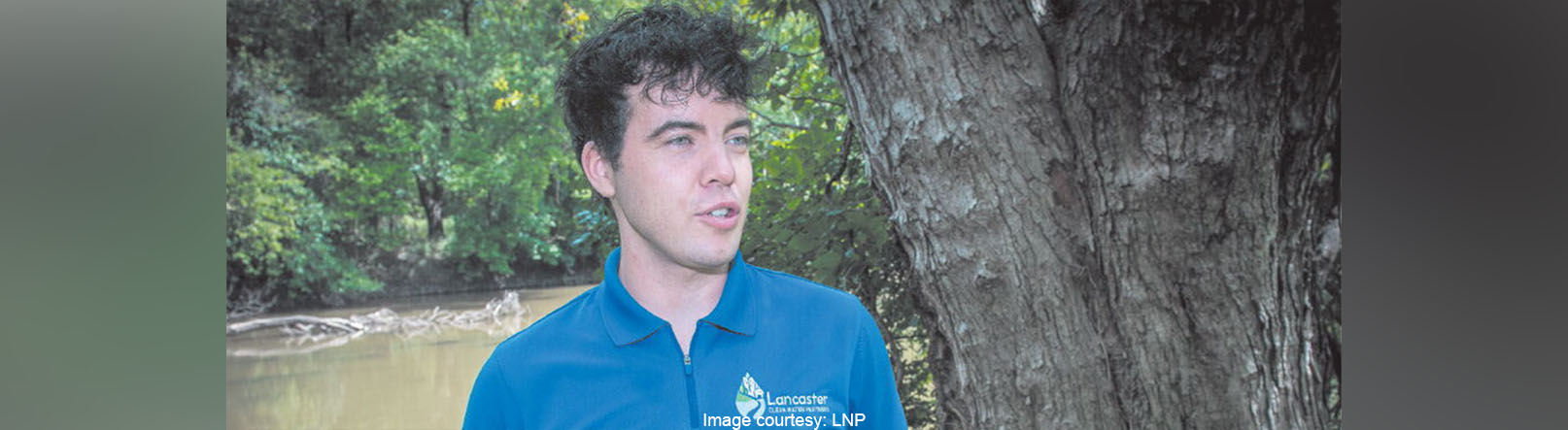
That connection is at the heart of the work of Michael Mantooth, Director of Projects for Lancaster Clean Water Partners and a member of the Conestoga-Susquehannock tribal community. Mantooth serves as the community’s acting historian, researching census records, land documents, church records, family histories, and other historical records to document a story that he says has too often been treated as though it ended in 1763.
Mantooth’s work was recently recognized with a Window Keeper Award from PA Humanities. The award recognizes Pennsylvanians who use history, culture, and storytelling to strengthen their communities. He was one of 30 honorees selected this year and the only recipient from Lancaster County.
The history he is uncovering reaches well beyond the Conestoga Massacre of 1763. Mantooth has found records documenting people who continued to identify as Conestoga or Susquehannock, descendants who pursued land claims, and efforts to establish a reservation and gain political recognition. Those records, he says, provide evidence of a community that continued after the events that have often been presented as the end of its story.
Today, the community is seeking formal state recognition. Pennsylvania does not currently have a process for state recognition of tribes, so the Conestoga-Susquehannock plan to pursue recognition in Maryland, where a process exists. The community says recognition would provide an important acknowledgment of its continuing presence, history, and identity.
That history is inseparable from the landscape. The Susquehannock territory included the Susquehanna River and its tributaries, including what is now Lancaster County. The Conestoga River remains an especially important part of that story.
For Mantooth, his work in tribal history and his work in clean water conservation are not separate paths. The Conestoga River sustained his ancestors and remains significant to the community today. Protecting the river, therefore, is also a way of protecting a piece of the community’s history.
“The Conestoga River is connected not just to our history, but our very survival,” Mantooth said in the LNP article. “It was that river that brought our ancestors to safety and that river that sustained us.”
That perspective offers an important reminder about conservation. Healthy waterways are not simply environmental resources. They are places where history, culture, community, and identity intersect. When we protect the Conestoga River, we are protecting more than water. We are helping preserve the connections between people and place that have shaped Lancaster County for generations.
Mantooth also shared more of this story on the Clean Water Conversations podcast, appearing alongside Andrea Ligon, Chairwoman of the Conestoga-Susquehannock Tribe, and Junior Council Member Cheyenne Demby. Their conversation offers another opportunity to hear directly from members of the community about their history, their connection to the Conestoga River, and the importance of preserving that story. Listen to Clean Water Conversations