A Success Story a Decade in the Making
A Decade of Stewardship: Building a Better Future for Clean Water
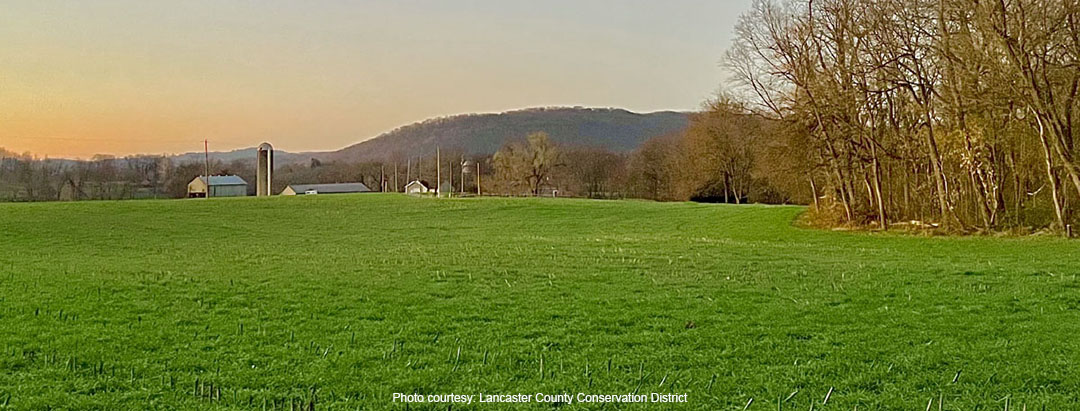
Protecting water quality doesn’t happen overnight. It is the result of thoughtful planning, strong partnerships, and a willingness to continually improve. One livestock farm in Warwick Township demonstrates how a long-term commitment to conservation can transform an operation while protecting Lancaster County’s streams.
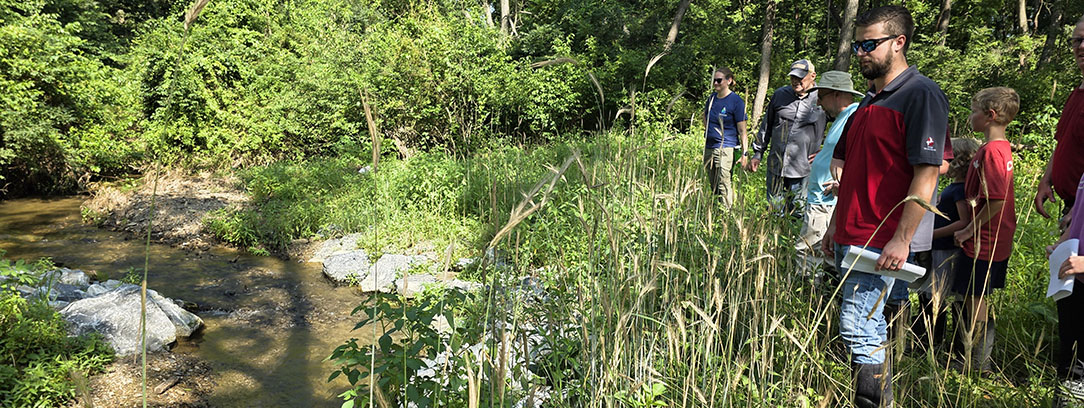
Over more than a decade, the farm has partnered with the USDA Natural Resources Conservation Service (NRCS), the Lancaster County Conservation District, TeamAg, Inc., and the Alliance for the Chesapeake Bay to implement an extensive system of conservation practices. Each project has built upon the last, creating a farm that is better equipped to manage manure, reduce erosion, improve grazing, and protect water quality.
The Journey Begins
The farm’s conservation story began in 2012 when the owner applied for assistance through NRCS’s Environmental Quality Incentives Program (EQIP). After receiving funding in 2013, work quickly got underway with a comprehensive plan that addressed several of the farm’s biggest environmental challenges.
Engineers from NRCS worked closely with Lancaster County Conservation District engineer Jim Saltsman to design and oversee the installation of practices that would improve water management throughout the property. Rather than focusing on a single issue, the project looked at the entire farming operation and how water moved across the landscape.
Controlling Stormwater at Its Source
One of the first priorities was reducing erosion in the upper pasture.
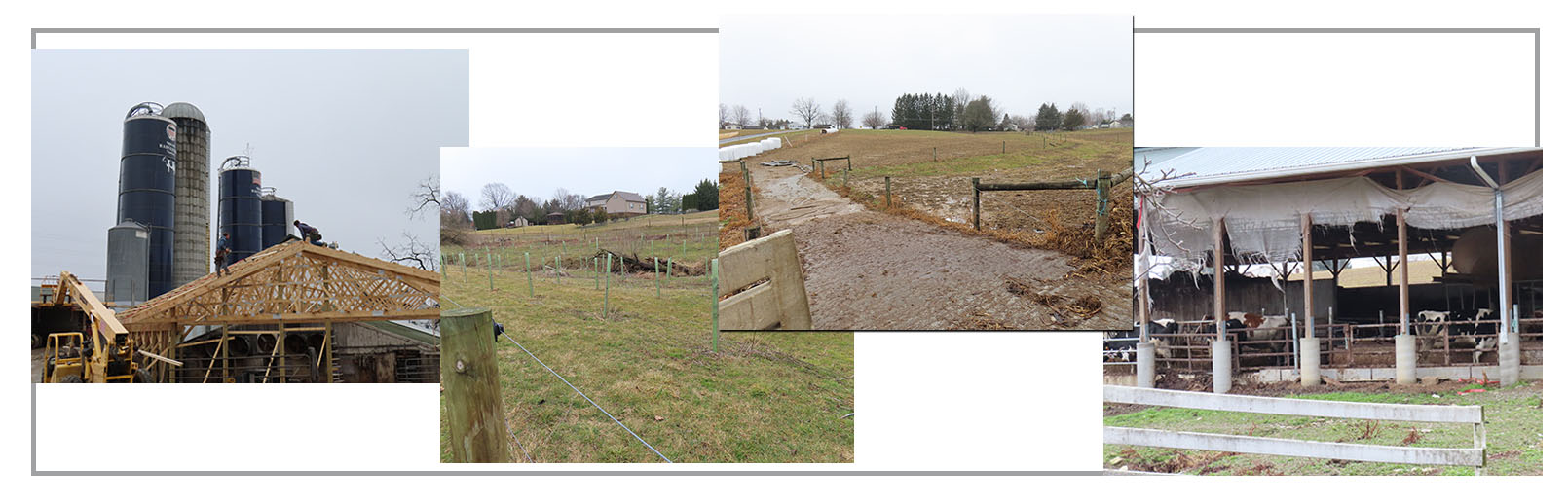
An earthen basin was installed to capture stormwater before it could accelerate downhill and carry soil into nearby waterways. Water leaving the basin is safely conveyed through more than 400 feet of underground pipe before entering a 500-foot grassed waterway. The gently sloped waterway slows runoff, allowing water to soak into the ground instead of washing away valuable topsoil. Rock chutes installed at key outlets help stabilize the system and prevent additional erosion.
These practices work together as a complete stormwater management system, reducing sediment loss while protecting downstream water quality.
Keeping Clean Water Clean
Managing clean rainwater is just as important as managing manure.
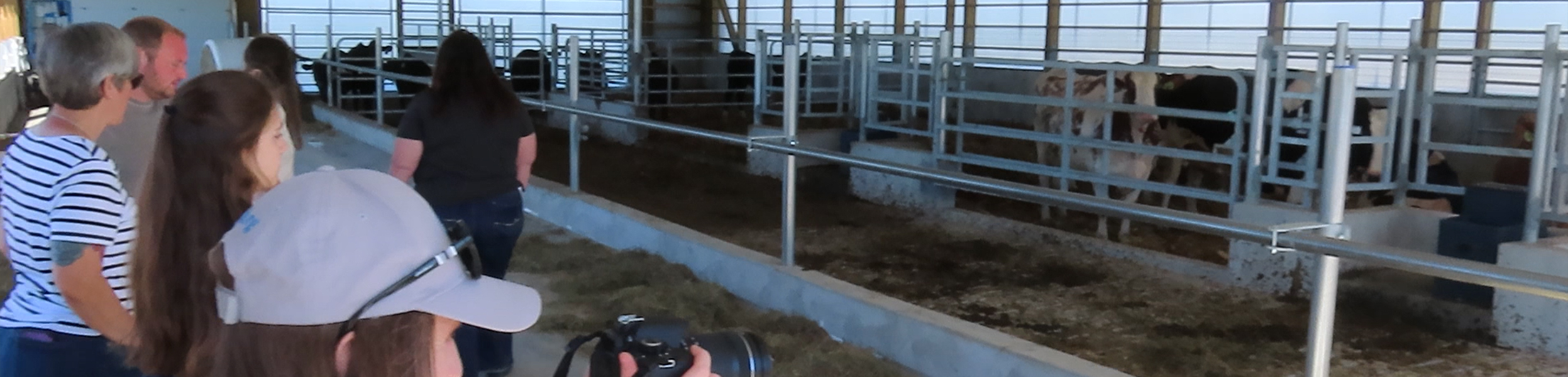
Several improvements were designed to keep precipitation from flowing through livestock areas where it could pick up nutrients and pollutants. A roofed manure stacking facility, roofed barnyard, grated drop boxes, underground outlets, and additional rock chutes all help separate clean water from contaminated runoff.
Later improvements expanded this strategy even further. Gutters and downspouts were added to existing buildings to divert roof runoff away from livestock areas, reducing the volume of water entering manure management systems and making them more effective during heavy rain events.
Together, these practices significantly reduce the amount of nutrient-laden runoff leaving the farm.
Improving Life for Livestock
Conservation practices also made the farm more efficient for livestock management.
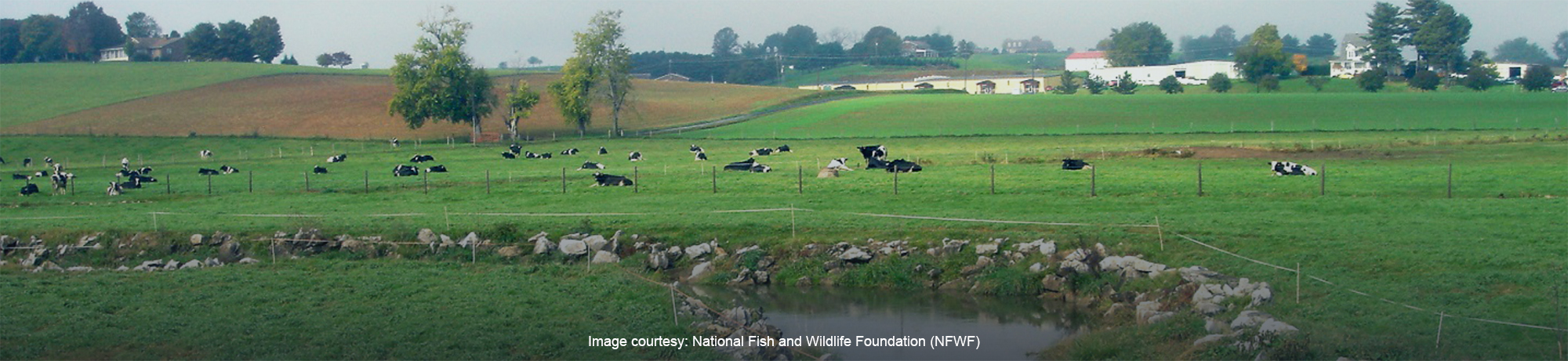
Stabilized animal trails and walkways provide durable travel lanes that allow cattle to move between pastures without creating muddy areas or causing erosion. High tensile fencing was installed to better manage grazing while protecting sensitive areas from excessive livestock traffic.
Critical area plantings restored disturbed portions of pasture with permanent vegetation, helping stabilize soils while improving forage production.
These improvements support healthier pastures, healthier animals, and healthier streams all at the same time.
Building on Success
Many conservation projects end once construction is complete. This farm chose a different path.
Nearly a decade after the first practices were installed, the owner enrolled in another NRCS program through the Regional Conservation Partnership Program (RCPP). Working with TeamAg, Inc. as the engineer of record and receiving supplemental support through the Alliance for the Chesapeake Bay, the farm began another phase of improvements.
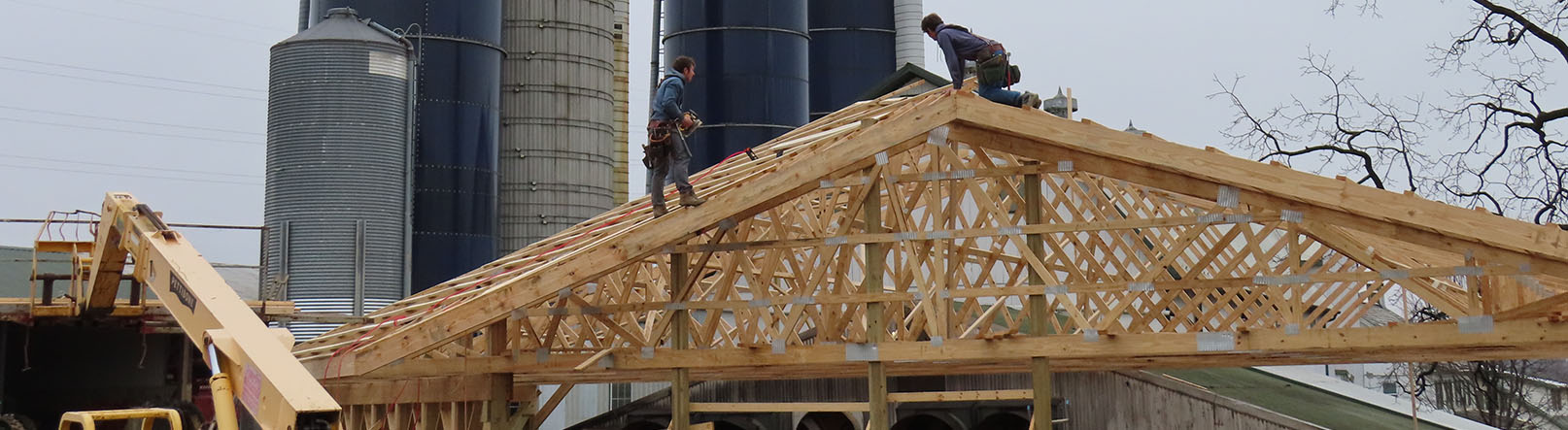
Thousands of feet of additional fencing have already been installed to support rotational grazing and protect environmentally sensitive areas, including pasture adjacent to riparian buffers. In 2026, a new roof covering more than 3,600 square feet was added over an existing barnyard, along with gutters that further reduce stormwater entering manure handling areas.
Rather than replacing earlier investments, these additions strengthen and expand the conservation systems already in place.
Looking Toward the Future
Construction continues on several important improvements.
A second round manure storage tank is currently being installed to significantly increase manure storage capacity. With additional storage available, manure can be applied when weather and field conditions are appropriate rather than when storage reaches capacity. This flexibility helps reduce nutrient runoff and improves overall nutrient management.
Additional stormwater controls, including another earthen basin, grassed waterway, underground outlets, gravel crossings, and new livestock watering systems, will further reduce erosion while making rotational grazing easier to manage. New livestock pipelines will bring water directly into pastures, encouraging more even grazing distribution and reducing livestock traffic around existing water sources.
A Model for Long-Term Conservation
This Warwick Township farm demonstrates that meaningful water quality improvements are rarely the result of one project or one funding source. Instead, they are built through years of collaboration among farmers, conservation professionals, engineers, and funding partners.
Over more than a decade, dozens of conservation practices have been carefully planned and installed to address erosion, improve manure management, strengthen grazing systems, and keep clean water clean. Individually, each practice provides measurable benefits. Together, they create a resilient conservation system that protects Lancaster County’s waterways while supporting a productive agricultural operation.
As Lancaster County continues working toward its goal of clean and clear water by 2040, projects like this illustrate the power of long term stewardship and the lasting impact that sustained conservation investments can have on both farms and the environment.