Local Partnerships Help Lancaster County Farmers Protect Water Quality
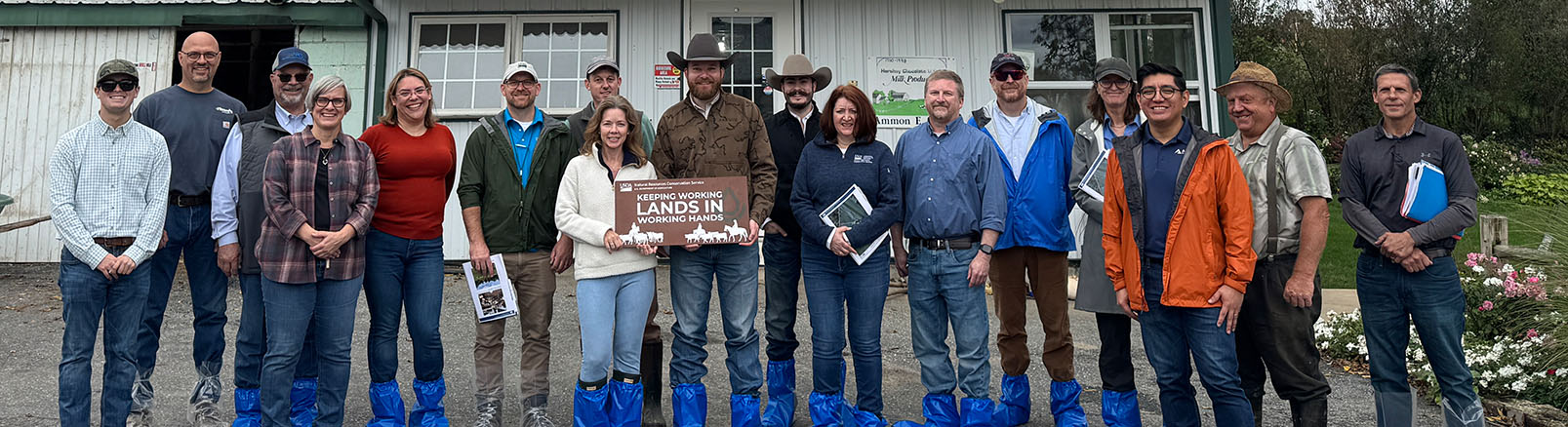
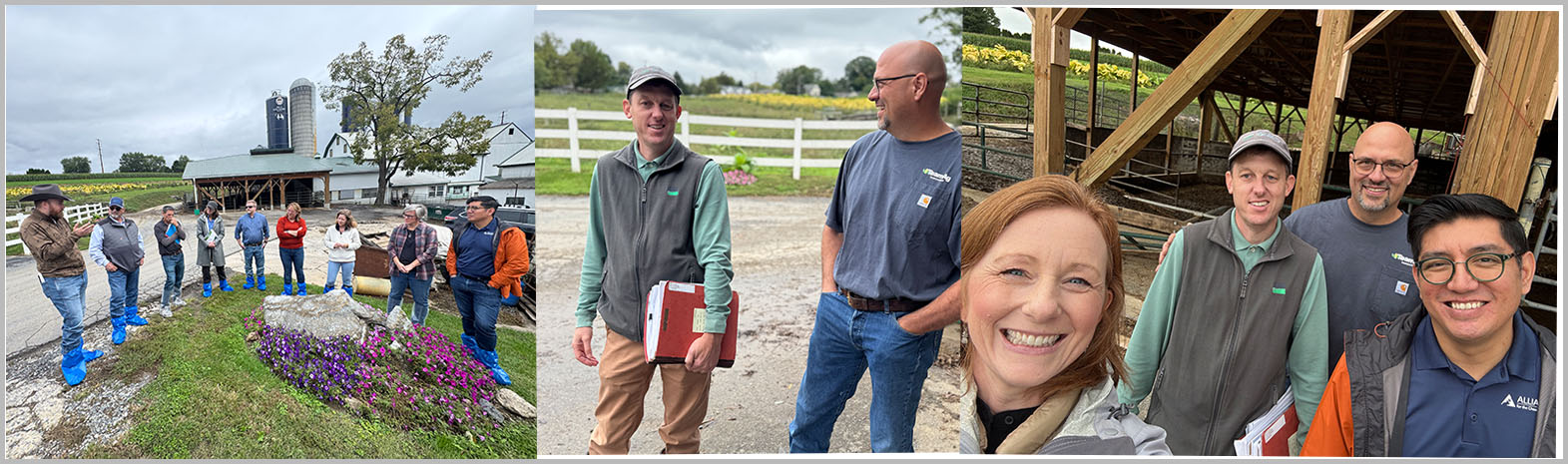
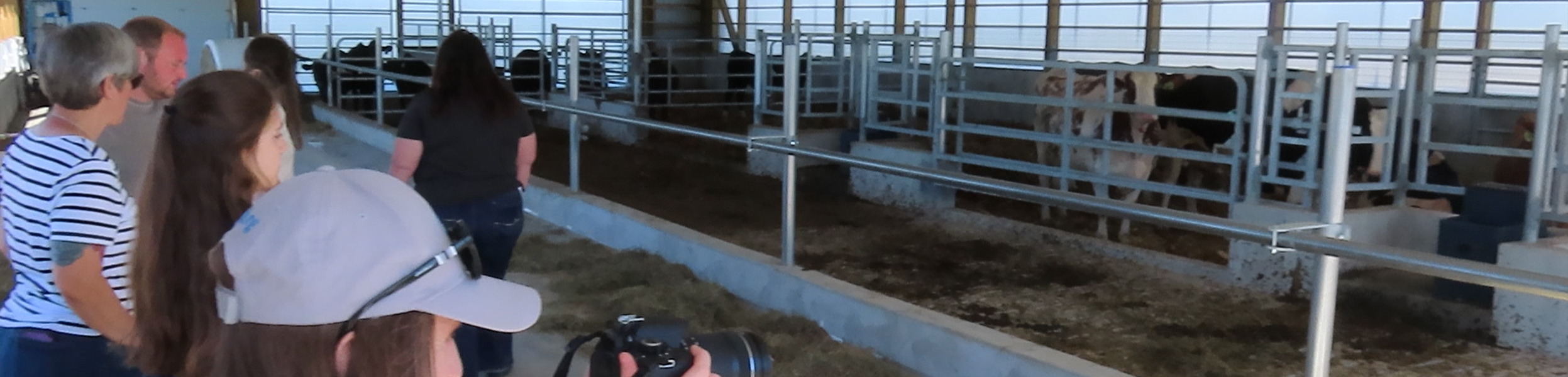
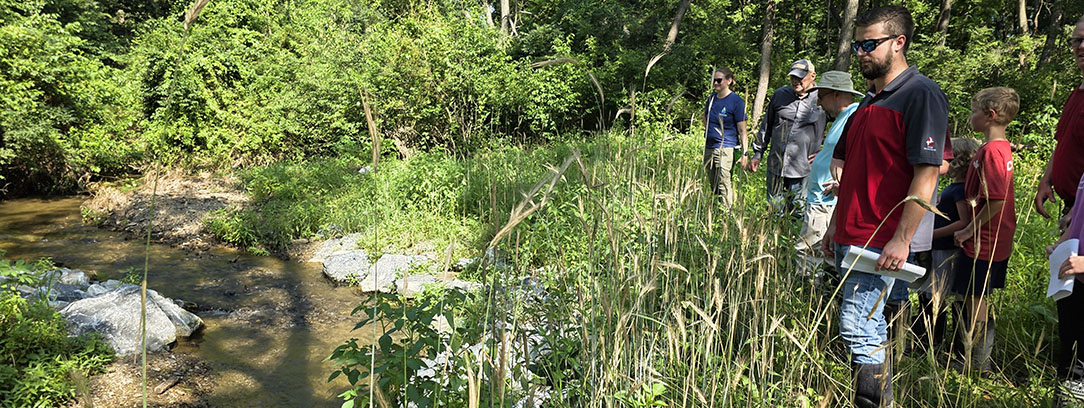
Lancaster County’s agricultural landscape is both diverse and productive, and protecting its soil and water resources requires conservation solutions that work for each farm. During a visit to Lancaster County in early October, USDA Natural Resources Conservation Service (NRCS) Chief Colton Buckley and other headquarters staff had an opportunity to see the scale of local agriculture and learn how collaboration helps farmers put conservation into practice.
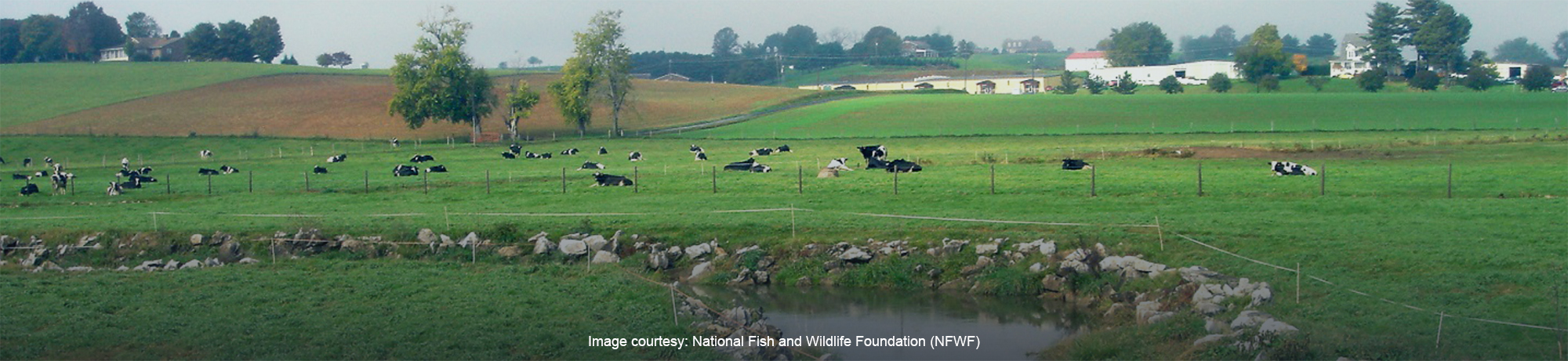
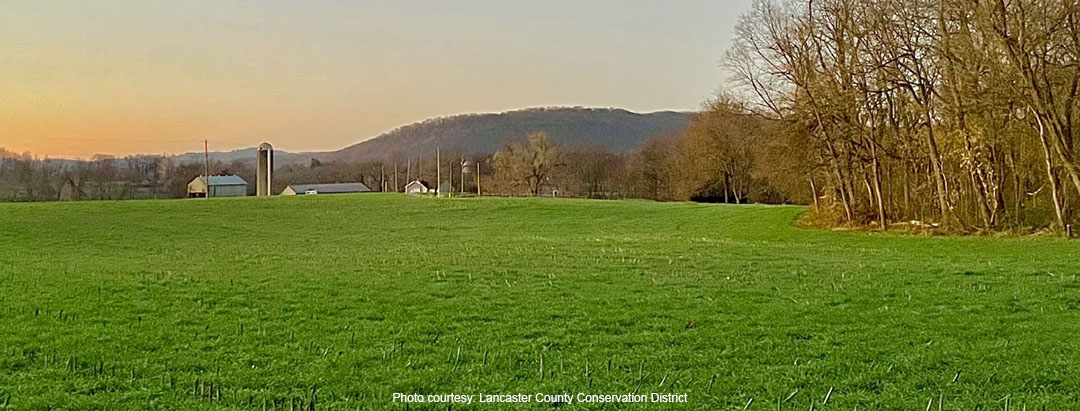
Lancaster County is the most productive nonirrigated farming county in the United States, making agricultural conservation an important part of protecting the region’s natural resources. According to the Lancaster County Conservation District, local agricultural conservation efforts rely on a partnership between the district and NRCS to provide conservation planning, technical assistance, and funding resources to landowners. Learn more about agricultural conservation in Lancaster County.
Tailoring Conservation to Each Farm
Every farm has its own conditions, challenges, and goals. Soil types, slopes, livestock operations, and available land can all influence which conservation practices are most appropriate. Helping farmers identify and implement those practices requires more than a one size fits all approach.
Lancaster County benefits from a network of private consultants, NRCS staff, Lancaster County Conservation District staff, and nonprofit partners. These organizations bring different expertise, technical assistance programs, and funding sources to the table, helping landowners find solutions that fit their individual operations.
Technical assistance can include conservation planning, engineering designs, recommendations for planting and land management, and guidance on implementing conservation practices. Financial assistance may also be available through local, state, federal, and private programs to help offset implementation costs. Combining these resources can help farmers move from conservation planning to on-the-ground improvements. Explore NRCS conservation planning and implementation resources.
Working Together for Clean Water
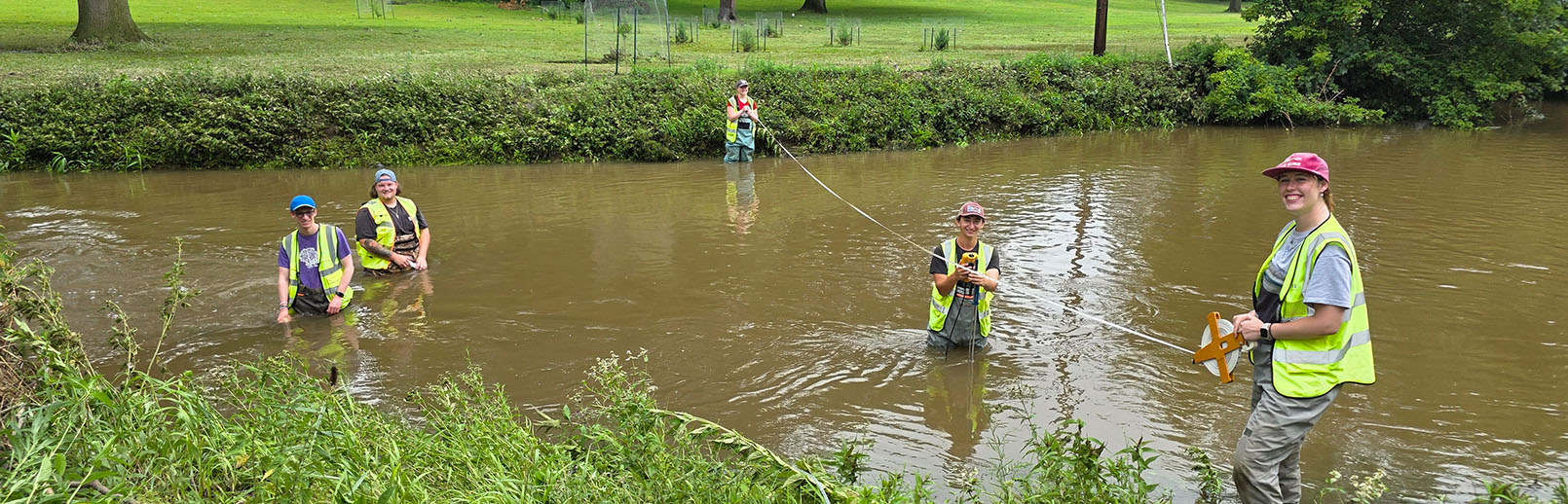
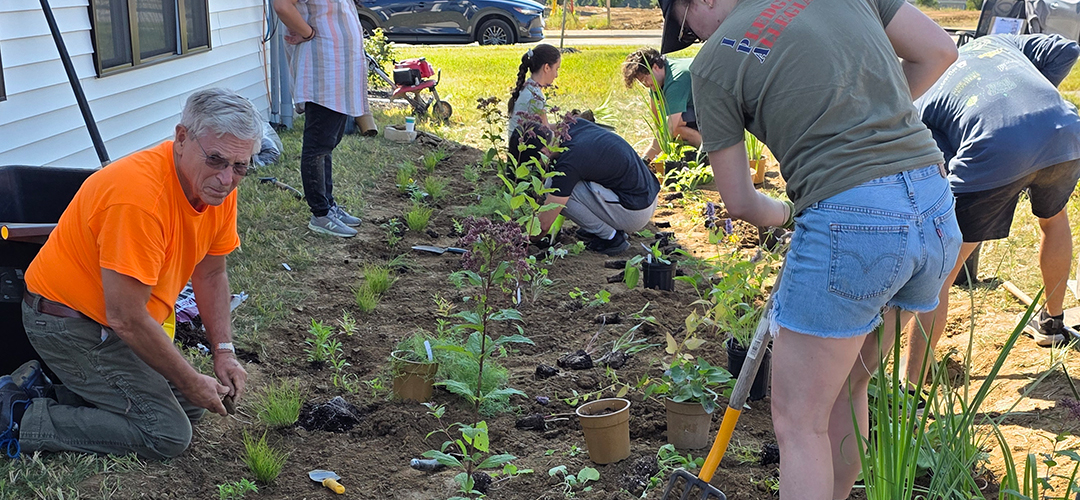
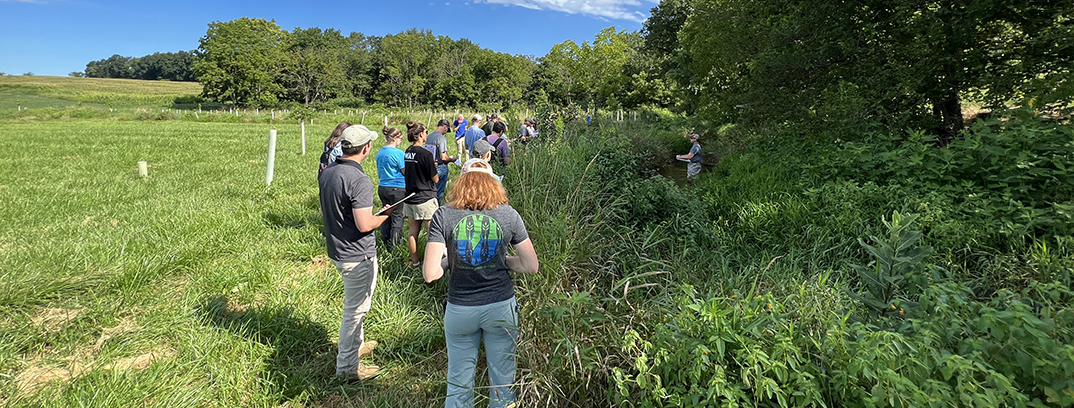
Agricultural conservation practices can help reduce soil erosion, improve soil health, manage nutrients, and protect streams and other waterways. Practices such as planting riparian buffers, improving manure management, and managing runoff can make a meaningful difference when they are designed around the needs of individual farms and their surrounding landscapes.
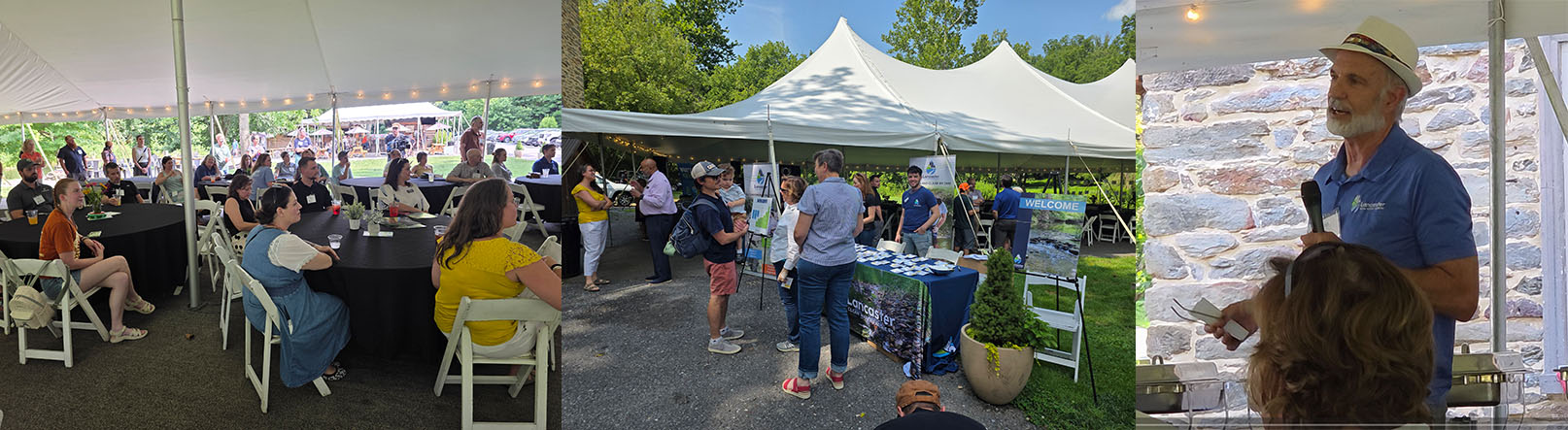
For Lancaster Clean Water Partners, this collaborative approach reflects the importance of connecting partners across sectors to accelerate conservation progress. When farmers have access to the right expertise, technical assistance, and funding, they are better positioned to implement practices that support productive farms and healthier waterways.
The visit from NRCS headquarters staff offered an opportunity to highlight the people and partnerships behind Lancaster County’s conservation work. Continuing to build on these relationships will be essential to advancing Lancaster Clean Water Partners’ vision of clean and clear water by 2040.