Partnership in Action: A Visit to the Horst Farm
Some conservation projects can be measured in months. Others take years of planning, collaboration, and trust before the results become visible. The Horst family’s dairy farm in Quarryville is one of those success stories.
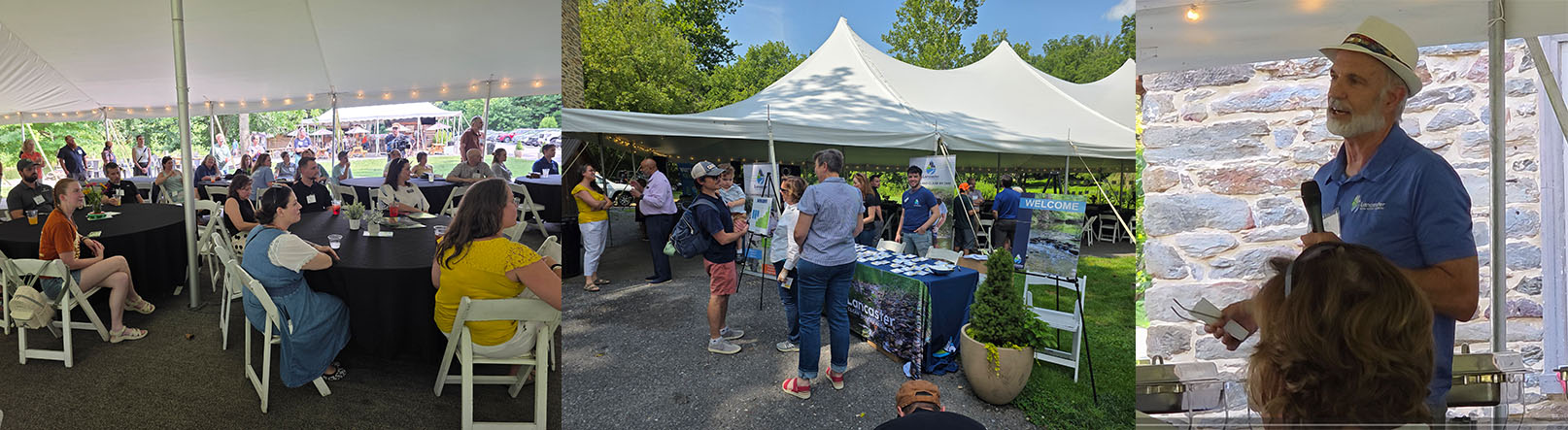
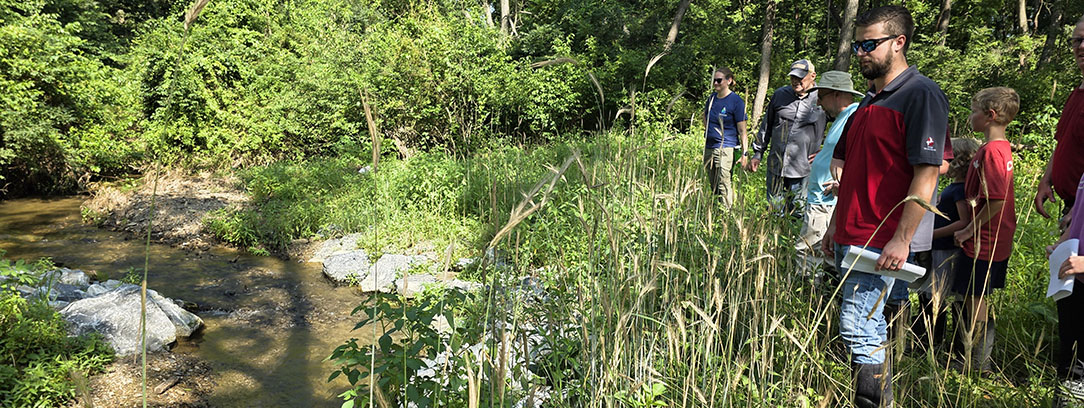
In late May, representatives from Maola Local Dairies®, the Alliance for the Chesapeake Bay, TeamAg, the Natural Resources Conservation Service (NRCS), the Chesapeake Bay Foundation, and Lancaster Clean Water Partners gathered at the Horst farm for a firsthand look at what can be accomplished when farmers and conservation partners work toward a common goal. Joining the tour were two generations of the Horst family, whose willingness to embrace conservation improvements has transformed their operation over the past several years.
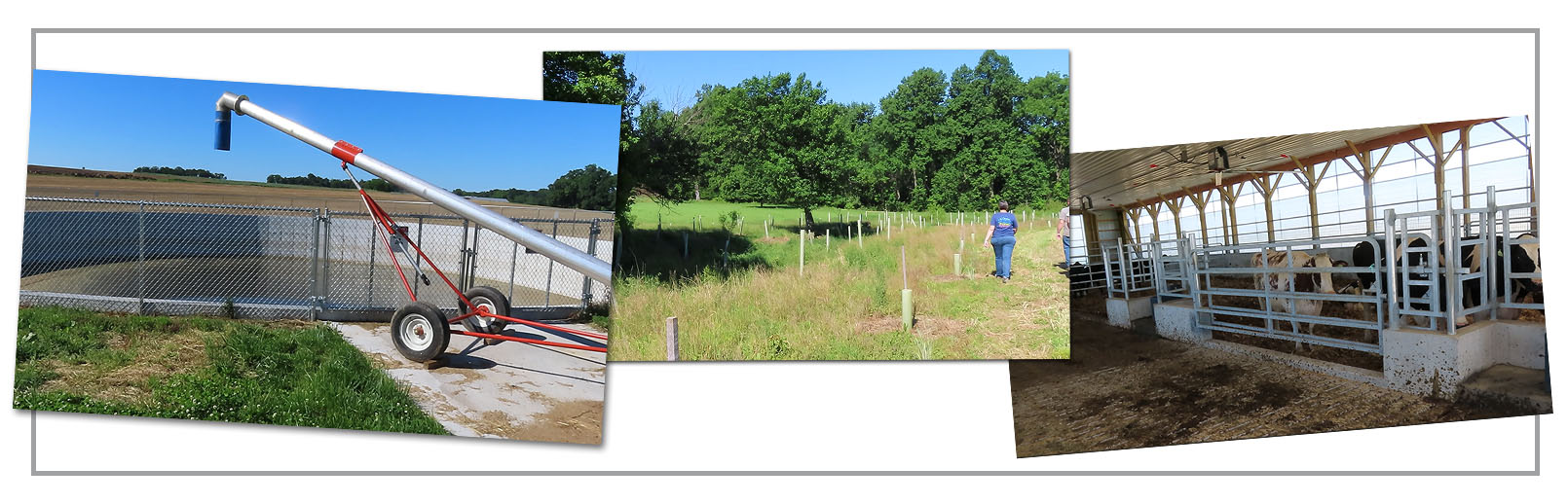
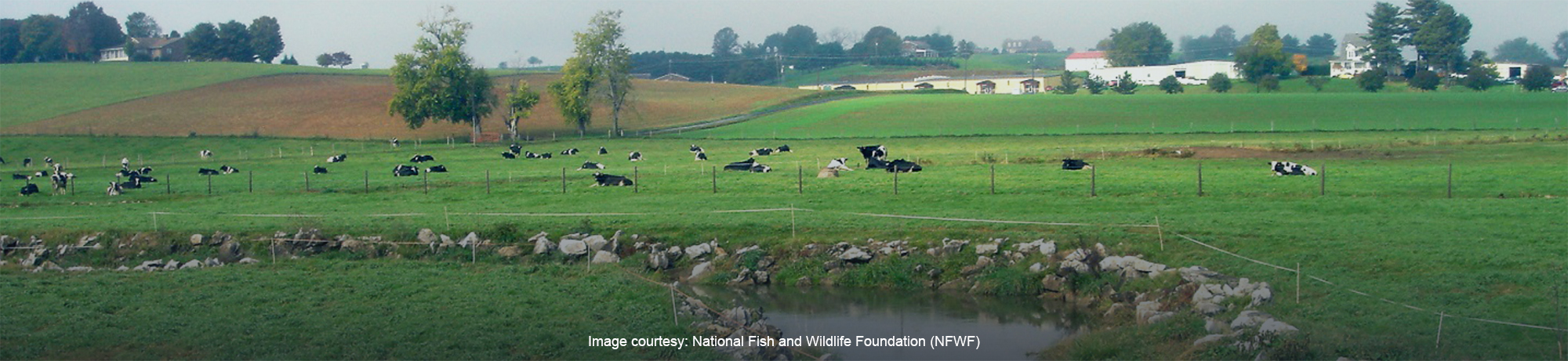
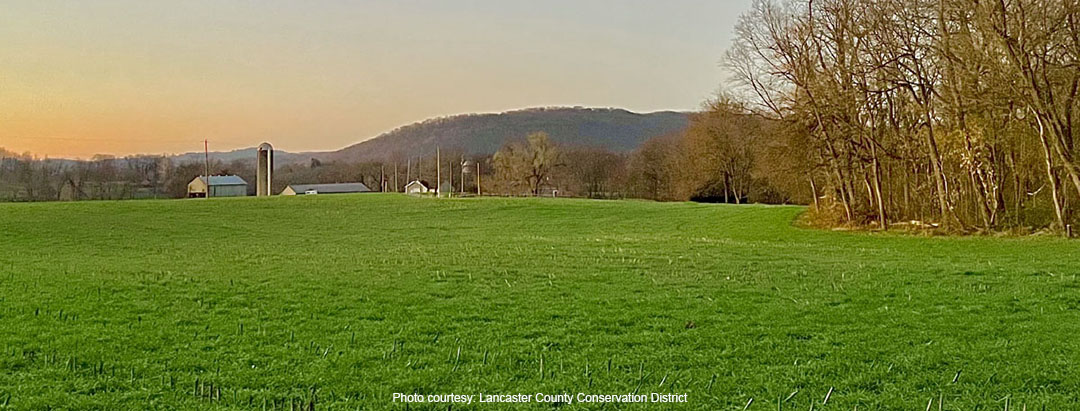
Walking across the farm today, it is difficult to imagine the challenges that once existed. New manure storage facilities, stabilized heavy-use areas, thriving streamside buffers, and grassed waterways now work together to reduce nutrient and sediment runoff while supporting a productive dairy operation. But none of it happened overnight.
The journey began in November 2021, when Maola introduced the Horst family to the Alliance for the Chesapeake Bay. Through Maola’s long standing commitment to supporting sustainable dairy farming, the cooperative has partnered with the Alliance to help connect dairy producers with technical assistance, conservation planning, and funding opportunities that improve both environmental stewardship and farm viability. Together, they work across the dairy supply chain to help farmers adopt practices that protect local waterways while strengthening the long-term sustainability of family farms.
Soon after that initial introduction, staff from the Alliance and NRCS visited the farm to better understand its needs. They found several opportunities where conservation practices could make a meaningful difference. Liquid and solid manure storage capacity was limited. Runoff from barnyards and bunk silos was uncontrolled. Livestock had access to streams, pasture, and crop fields showed signs of erosion, and many waterways lacked the riparian vegetation needed to naturally filter runoff before it reached local streams.
Rather than approaching these issues individually, the partners developed a comprehensive strategy that addressed the farm as a complete system.
TeamAg prepared a Comprehensive Nutrient Management Plan that guided future improvements, while conservation funding was assembled through the Regional Conservation Partnership Program (RCPP). The RCPP is a partner-driven initiative administered by NRCS that brings together public agencies, nonprofit organizations, and private partners to address natural resource challenges on working agricultural lands. By combining technical expertise with financial resources, the program allows projects like the Horst farm improvements to move from ideas to implementation while helping farmers remain productive and economically resilient.
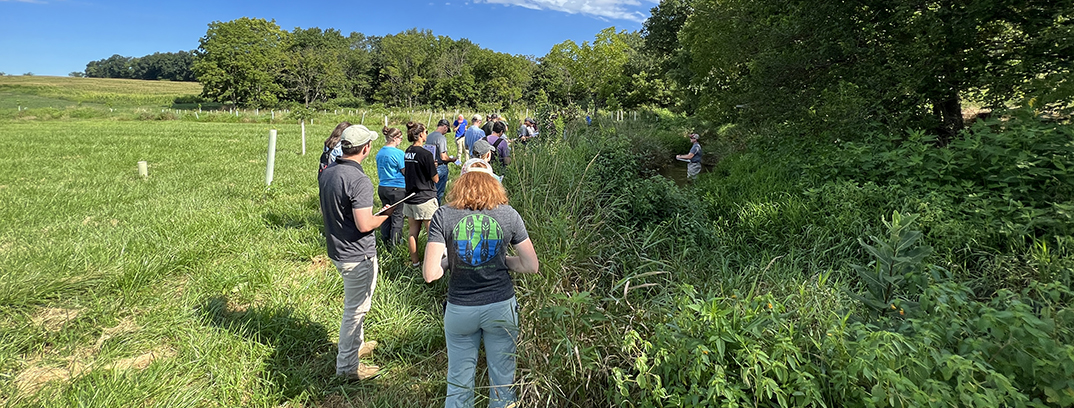
At the same time, the Conservation Reserve Enhancement Program made it possible to establish a riparian forest buffer along the farm’s streams. Although only entering its second growing season, many of the native trees are already flourishing. As the group toured the property, the buffer was alive with birds, pollinators, and other wildlife, offering an early glimpse of how quickly restored habitat can begin supporting healthy ecosystems. What started as young saplings is already becoming a living corridor that will provide shade, stabilize streambanks, improve aquatic habitat, and naturally filter runoff for decades to come.
Additional conservation practices helped complete the picture. Newly constructed grassed waterways now safely convey stormwater across crop fields, reducing erosion and slowing the movement of sediment before it reaches nearby streams. Combined with the upgraded manure management systems and stabilized heavy use areas, these practices work together to improve water quality while protecting valuable farmland.
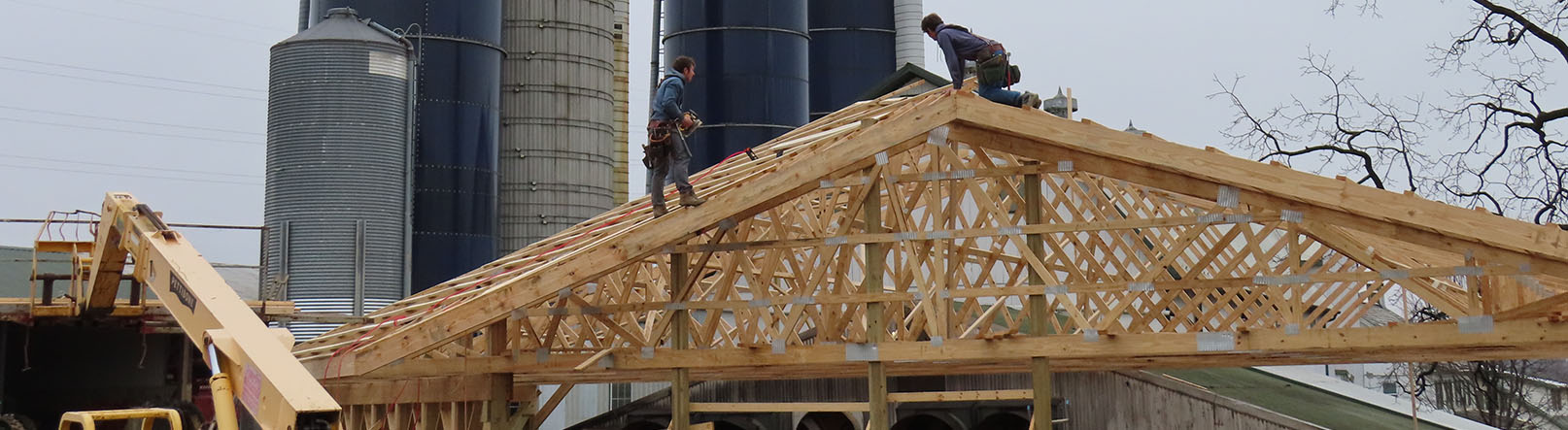
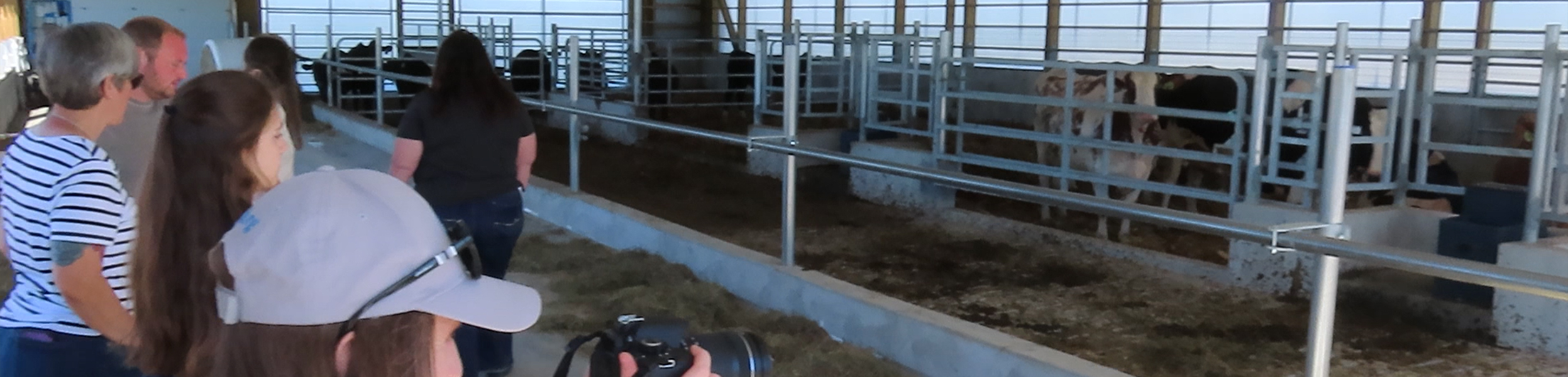
Implementation began in 2024 with improvements to the farm’s existing waste storage infrastructure. By May 2025, the first phase of construction included a new round manure storage tank, stacking facility, and Heavy Use Area Protection practices. The second phase was completed in January 2026, adding a roofed Heavy Use Area Protection system and underhouse manure storage that further improved the farm’s manure management capabilities.
As impressive as the infrastructure is, perhaps the most valuable lesson from the day had nothing to do with concrete or conservation practices.
Throughout the tour, one message surfaced again and again from the project partners: communication is essential. Projects involving multiple organizations, funding sources, technical experts, and landowners only succeed when everyone remains committed to open dialogue and a shared vision. Just as important was the perspective offered by the Horst family themselves. Their advice was simple but powerful: be patient. Meaningful conservation takes time. Building trust, developing plans, securing funding, and completing construction rarely happen on a quick timeline, but the long term benefits are well worth the investment.
The Horst farm stands as a powerful reminder that clean water is achieved through partnership. Farmers, conservation organizations, technical service providers, funding partners, and government agencies each brought unique expertise to the table. No single organization could have accomplished this work alone.
The late May tour was more than an opportunity to showcase completed conservation practices. It was a celebration of collaboration, a recognition of the Horst family’s commitment to stewardship, and a testament to what is possible when communication, patience, and partnership come together in service of cleaner water and a stronger agricultural community.