Trust and Teamwork Drive Cleaner Water on a Lancaster County Farm
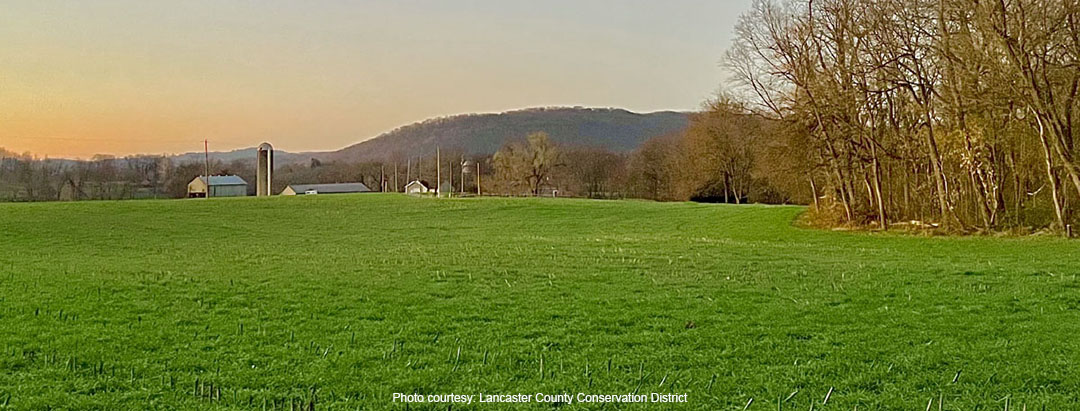
In southern Lancaster County, a multi-generational farm in Quarryville is demonstrating how collaboration and trust can shape the future of agriculture while protecting local waterways.
When the farm transitioned from father to son, both recognized an opportunity. Rather than continuing with aging infrastructure, they chose to invest in improvements that would set the next generation up for long-term success. Central to that decision was a willingness to seek out available funding programs and to trust the expertise of partners brought in to help guide the process.
One of the most significant steps was decommissioning a manure storage tank that had been installed decades earlier by the grandfather. While it had served the farm well, it no longer met the needs of a modern operation or the environmental standards the family wanted to uphold. Replacing it was not just about new construction, it was about responsible stewardship of the land.
That is where collaboration took center stage. The landowner partnered with Weaver Environmental for design and engineering, and White Horse Construction to bring those plans to life. Together, they developed a system that addressed long-standing challenges while improving daily farm operations.
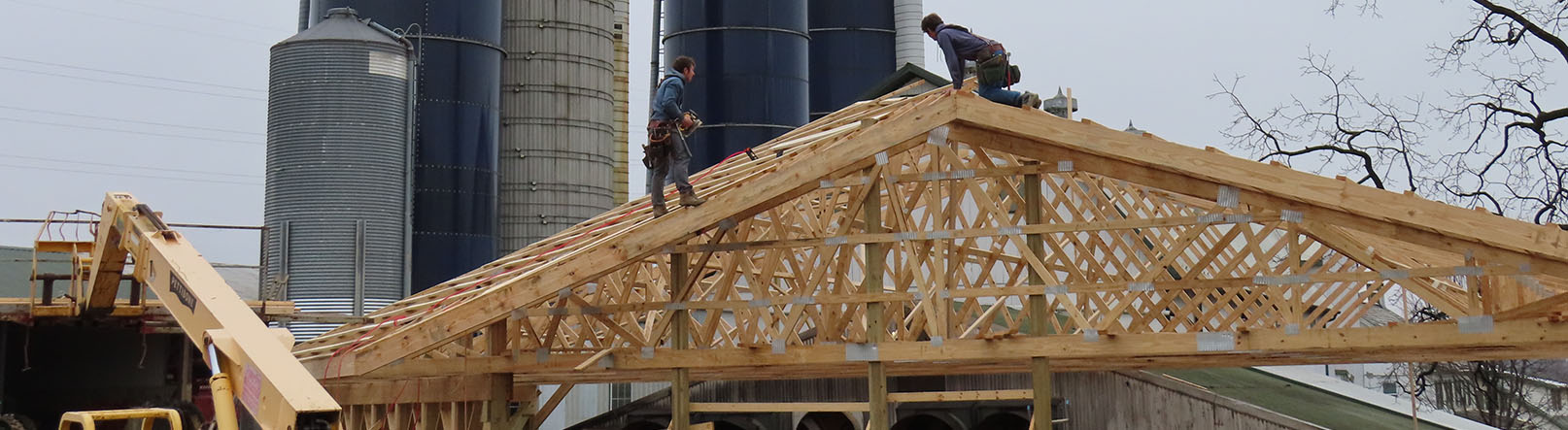
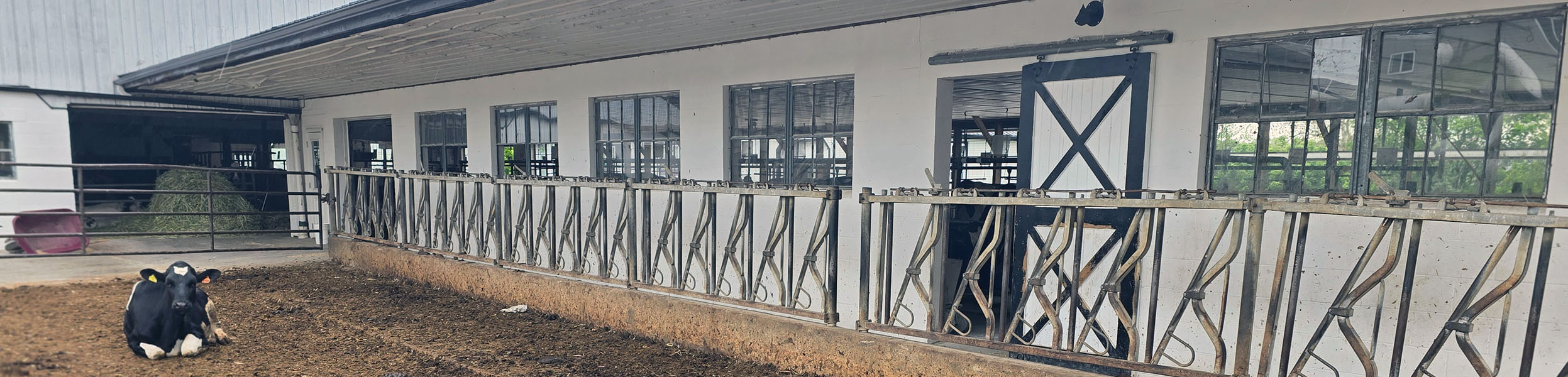
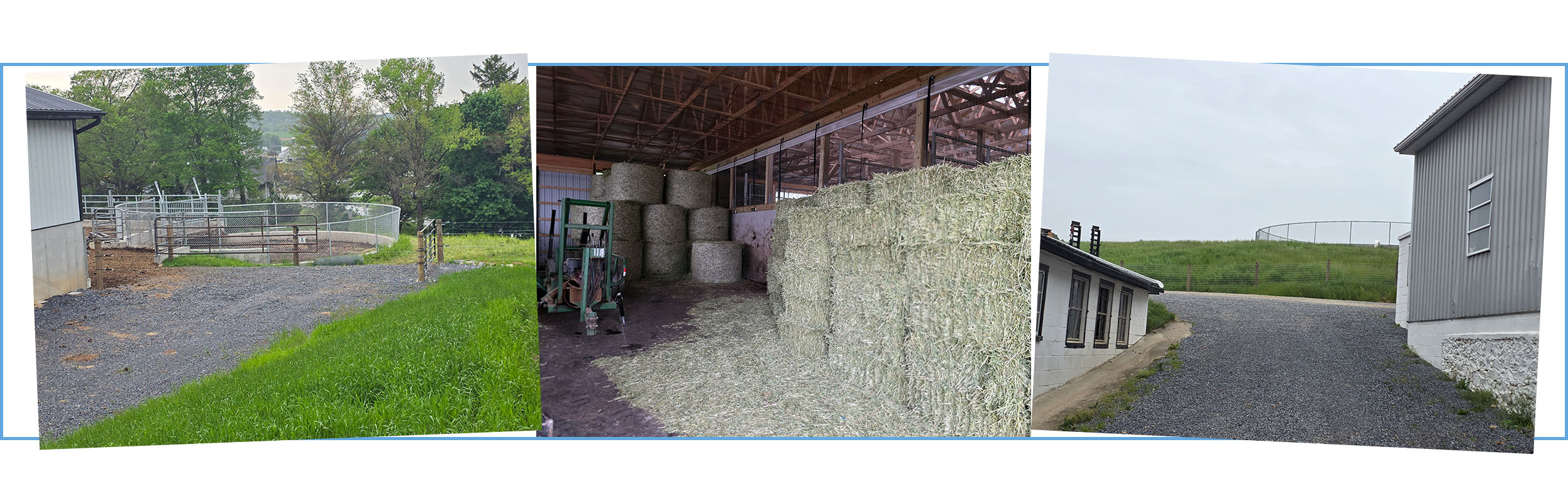
The project included a roofed manure stacking structure, a heavy-use area, and protective covers designed to keep clean water clean and direct manure where it could be properly managed. Funding support through CAP and ACAP programs made these upgrades possible, demonstrating how public investment can empower private landowners to make meaningful environmental improvements.
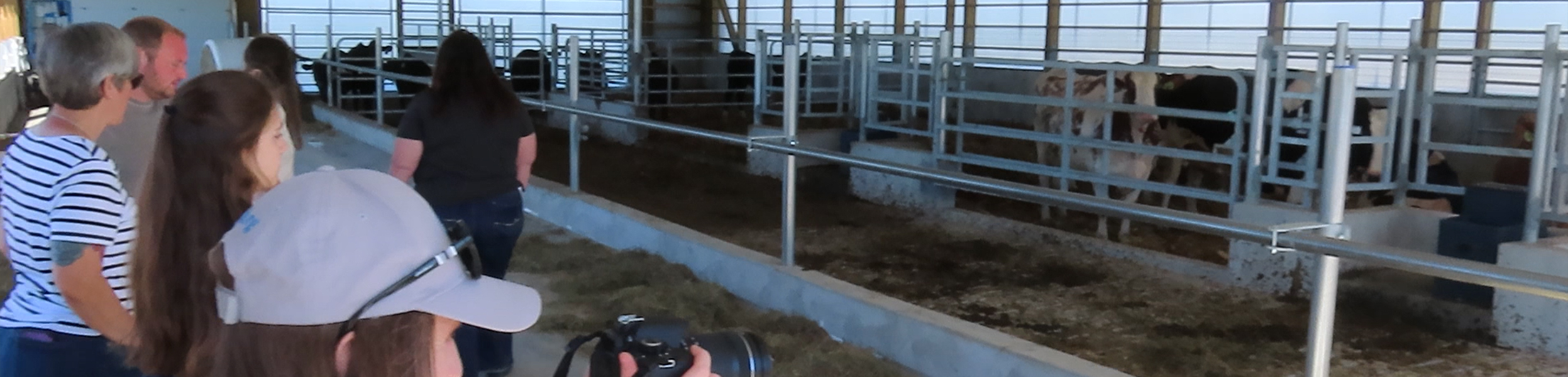
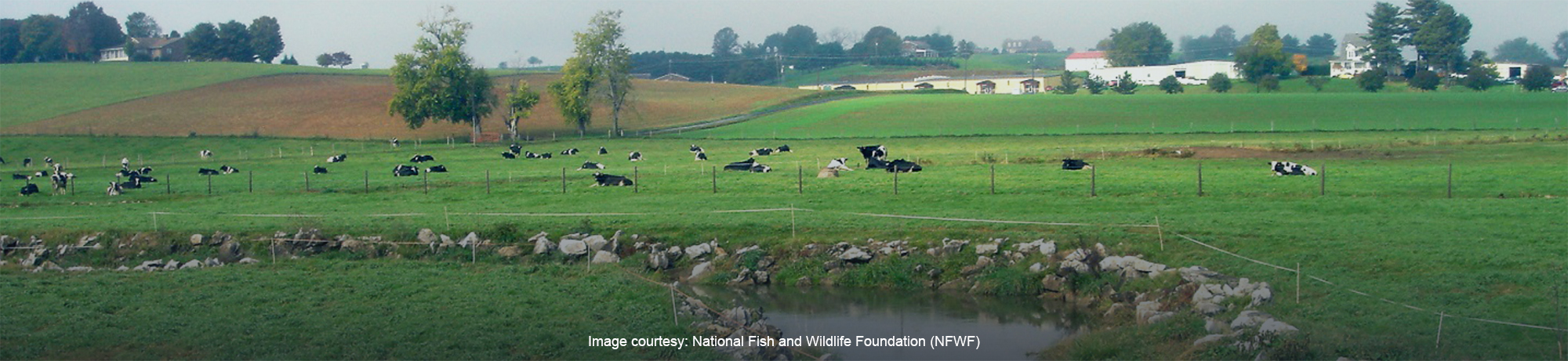
The broader farm operation, located in Christiana within Bart Township, spans more than 100 acres with a mix of dairy cows and horses. Like many farms in the region, it faces steep topography and drainage challenges, with runoff naturally moving toward nearby streams. Historically, manure from high-traffic areas could reach surface water, especially during rain events.
Today, that risk has been significantly reduced. A newly constructed heavy use area is carefully sloped to direct manure into a modern storage system. From there, nutrients are captured, stored, and eventually applied to surrounding fields at the right time and in the right way. What was once a potential pollutant is now a valuable resource.
This transformation did not happen overnight. It required open communication, shared goals, and a strong foundation of trust between the landowner and project partners. By leaning into that relationship and embracing available support, the family was able to implement a system that works for both the farm and the environment.
At its core, this project is about more than infrastructure. It is about a landowner choosing to invest in the future, a team coming together to solve complex challenges, and a shared commitment to keeping nutrients on the land and out of local waterways.
That is what stewardship looks like in action.